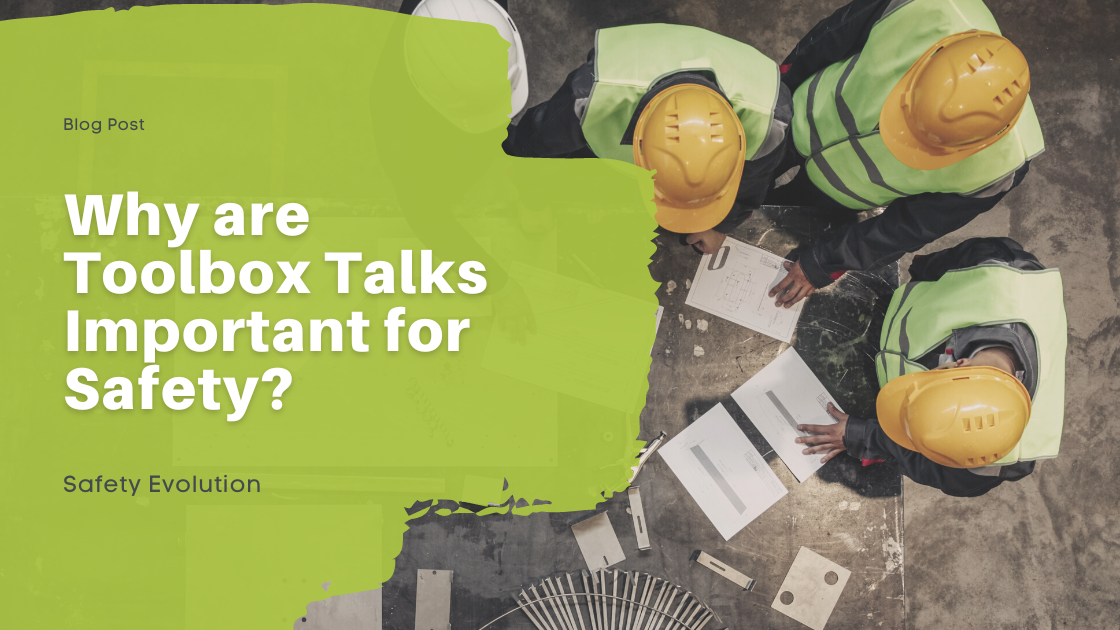
Workers show up ready to perform—tools in hand, tasks assigned, schedules tight. But one overlooked detail can undo all that preparation: failure to use the right personal protective equipment (PPE) at the right time. It’s not always ignorance. Often, it’s complacency, distraction, or a belief that "this job is routine." That’s where the PPE toolbox talk becomes not just useful—but essential.
A PPE toolbox talk isn’t filler in a safety meeting. It’s a targeted, actionable conversation that reinforces why PPE matters, when it’s required, and how to use it correctly. More than just a compliance checkbox, it’s a frontline defense against preventable injuries.
Let’s break down why these short, focused discussions are among the most powerful tools in workplace safety.
The Hidden Risks of Skipping PPE
Every day, workers in construction, manufacturing, utilities, and maintenance take on tasks with real physical danger. A spark, a slip, a falling object—each carries the potential for serious harm. Yet across industries, PPE non-compliance remains a leading contributor to preventable injuries.
Consider the electrician who skips insulated gloves while working on a live panel “just this once.” Or the warehouse worker who removes a hard hat because it’s “too hot.” These decisions often stem from routine, overconfidence, or discomfort—not malice. But consequences can be life-altering.
- A steel-toe boot prevents a crushed foot.
- Safety goggles stop a chemical splash from causing blindness.
- A fall harness saves a life during elevated work.
When PPE isn’t worn consistently, the risk isn’t theoretical. It’s measurable. OSHA estimates that proper PPE use could prevent 16,000 injuries and 200 deaths annually in the U.S. alone. Yet many organizations still treat PPE discussions as afterthoughts in broader safety meetings.
That’s where the toolbox talk changes the game.
What Is a PPE Toolbox Talk—And Why It Works
A PPE toolbox talk is a brief, informal safety meeting—usually 10 to 15 minutes—held at the job site before work begins. It focuses on a specific safety topic, in this case, personal protective equipment. Unlike long-form training sessions, it’s immediate, relevant, and contextual.
The power of the PPE toolbox talk lies in its timing and relevance: - It happens on-site, where hazards are visible. - It’s led by a supervisor or safety officer who knows the crew. - It addresses today’s tasks and the PPE required for them.
For example, if a crew is preparing to perform grinding on metal, the toolbox talk will cover: - Required PPE: face shield, safety goggles, hearing protection, respirator. - Common mistakes: wearing goggles instead of a face shield, not checking respirator seals. - Why each item matters: sparks can cause corneal burns; metal dust is hazardous if inhaled.
This isn’t theory. It’s alignment. And alignment prevents accidents.
Reinforcing Compliance Through Consistent Communication
One-time training isn’t enough. Workers forget. Conditions change. Tasks evolve. A one-hour PPE orientation six months ago won’t stop someone from removing their respirator on a hot afternoon.
Toolbox talks reinforce expectations through repetition. When workers hear the same message—delivered consistently, at the point of risk—they’re more likely to internalize it.
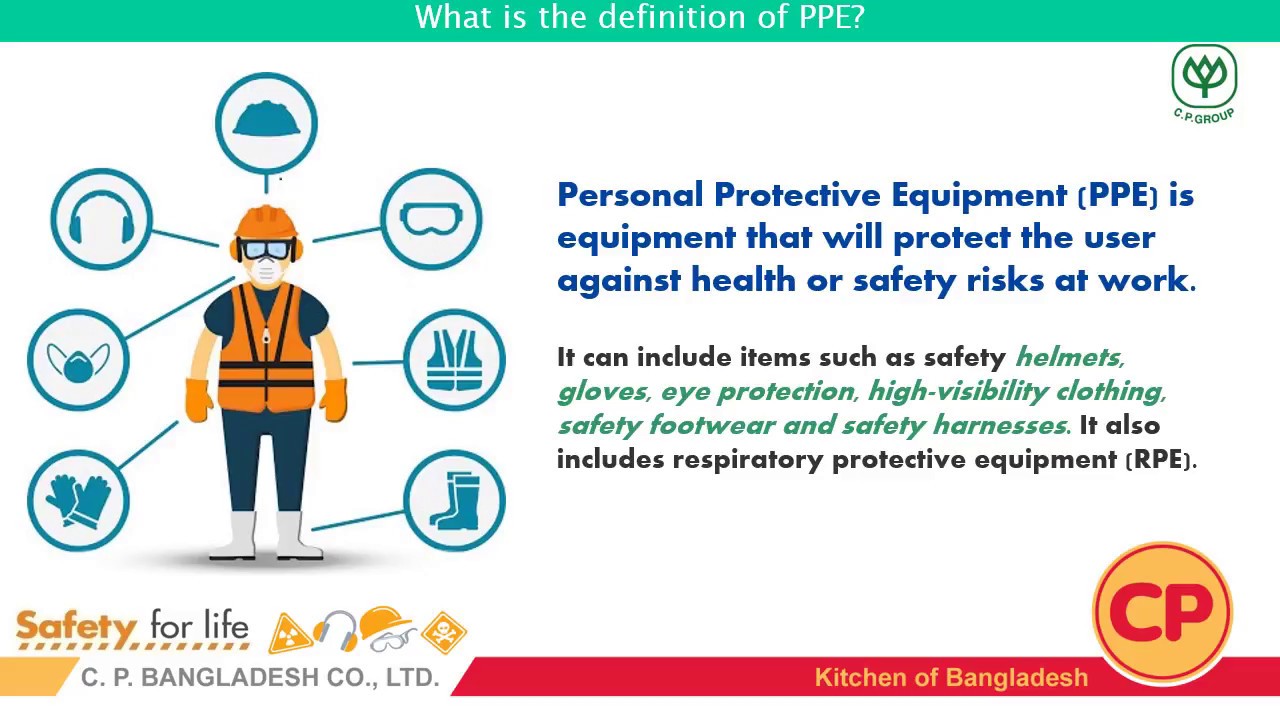
Consider this real-world scenario: A painting crew starts work with respirators on. By noon, temperatures rise. Some remove their masks, arguing “the fumes aren’t that bad.” The next day, the supervisor opens the toolbox talk with: “Yesterday, four people took off their respirators. That’s four times we risked long-term lung damage. Today, we’re double-checking fit and seal—because this job isn’t worth losing your breath over.”
The conversation shifts from policy to personal responsibility.
Regular PPE talks also create psychological ownership. Workers aren’t just told what to do—they’re invited to discuss why it matters, share concerns, and suggest improvements. This makes compliance feel less like enforcement and more like shared purpose.
Preventing Complacency with Real-World Scenarios
Complacency kills. The more routine a job becomes, the more workers downplay the risks. A PPE toolbox talk breaks that pattern by reintroducing urgency.
Use real incidents to drive the point home.
Example: > “Last month, a roofer in Texas was installing shingles. He’d done it a hundred times. No harness—‘only working near the edge.’ One slip. One fall. One fatality. He wasn’t wearing a harness because ‘it slowed him down.’ Now his family is without him.”
These stories aren’t meant to scare. They’re meant to awaken.
Effective PPE talks often include: - Recent near-misses on site. - Industry incident reports. - “What if?” scenarios that challenge assumptions.
When workers visualize the consequences, they’re more likely to take precautions seriously—even on “easy” jobs.
Bridging the Gap Between Policy and Practice
Many companies have robust safety policies. But without consistent reinforcement, those policies gather dust.
A PPE toolbox talk closes the gap between what’s written in the manual and what happens on the ground.
For instance: - Policy may require cut-resistant gloves for handling sheet metal. - In practice, workers complain the gloves reduce dexterity. - A toolbox talk can address this by: - Demonstrating gloves that balance protection and flexibility. - Sharing feedback from other crews who’ve found suitable options. - Encouraging workers to report discomfort instead of removing PPE.
This turns compliance into collaboration. Workers feel heard. Safety improves. And the organization avoids the high cost of injuries—from medical bills to downtime to OSHA fines.
Driving Accountability at All Levels
A PPE toolbox talk isn’t just for frontline workers. It holds supervisors and managers accountable too.
When a supervisor leads the talk, they signal that safety is their priority—not just production speed. If they skip the talk, or do it half-heartedly, the message is clear: safety isn’t urgent.
Effective leaders use the talk to: - Model correct PPE use. - Acknowledge challenges (e.g., heat stress, equipment fit). - Enforce standards consistently.
One construction foreman shared: “I used to think 10 minutes lost to a talk was 10 minutes off schedule. Now I see it as 10 minutes that keeps my crew alive. And if someone shows up without their gear, we don’t start. Period.”
That kind of leadership changes culture.
Customizing Talks for Maximum Impact
Not all PPE talks are the same. Generic messages get tuned out. The most effective talks are job-specific, hazard-focused, and interactive.

Example: Confined Space Entry - Required PPE: harness, lifeline, respirator, gas detector, helmet. - Talk focus: Check each item before entry. Review rescue plan. Test comms. - Engagement: Ask each worker to demonstrate how they’d don their harness.
Example: Winter Roof Work - Required PPE: slip-resistant boots, harness, warm layers, face protection. - Talk focus: Ice increases fall risk. Cold reduces dexterity. Gear must stay dry. - Engagement: Walk the edge zone together. Point out anchor points.
Tailoring the talk ensures relevance. Relevance drives retention.
Common Mistakes That Undermine PPE Talks
Even with good intentions, many PPE toolbox talks fail to land. Here’s what to avoid:
| Mistake | Why It Fails | Better Approach |
|---|---|---|
| Reading from a script | Feels robotic; no engagement | Speak naturally; invite input |
| Covering too many topics | Dilutes focus | Stick to one PPE type or hazard |
| Ignoring worker feedback | Breeds resentment | Listen to concerns and adapt |
| Holding talks off-site | Disconnects from real hazards | Conduct at the worksite |
| Skipping talks during rush periods | Sends wrong message | Never sacrifice safety for speed |
The best talks feel like conversations—not lectures.
Making PPE Talks Part of Your Safety Workflow
Integrate PPE toolbox talks into your daily rhythm: - Schedule them at shift start or before high-risk tasks. - Assign rotating leaders to build ownership. - Keep logs—brief notes on topic, attendees, and issues raised. - Review logs weekly to spot trends (e.g., recurring PPE complaints).
This isn’t bureaucracy. It’s continuous improvement.
One manufacturing plant reduced PPE violations by 68% in six months simply by implementing consistent, documented toolbox talks. Supervisors reported higher engagement and fewer safety incidents.
Closing: Turn Awareness Into Action
PPE toolbox talks are not just a formality. They’re a lifeline.
Every time you gather your crew to discuss gloves, goggles, or harnesses, you’re doing more than checking a box. You’re reinforcing a culture where safety isn’t optional—it’s automatic.
Start tomorrow: - Pick one high-risk task. - Gather your team. - Focus on one piece of PPE. - Ask: “What happens if we skip it?”
That five-minute conversation might be the reason no one gets hurt.
Make PPE talks routine. Make them real. Make them matter.
FAQ
What should be included in a PPE toolbox talk? Cover the specific PPE required for the day’s work, how to inspect and wear it, common mistakes, and real hazards it protects against. Encourage questions and discussion.
How long should a PPE toolbox talk last? Ideally 10 to 15 minutes. It should be long enough to be meaningful but short enough to hold attention.
Who should lead a PPE toolbox talk? A supervisor, foreman, or safety officer familiar with the work and crew. Leadership involvement increases credibility and accountability.
How often should PPE toolbox talks be held? Daily or before any high-risk task. Frequency reinforces habits and adapts to changing job conditions.
Can toolbox talks reduce workplace injuries? Yes. Studies and field reports show consistent safety talks reduce incidents by improving awareness, compliance, and hazard recognition.
Should toolbox talks be documented? Yes. A simple log with date, topic, attendees, and key points helps track compliance and identify recurring issues.
What if workers resist PPE requirements? Use the talk to listen to concerns—comfort, fit, usability. Address them with better gear or adjustments, but never compromise on safety standards.
FAQ
What should you look for in Why PPE Toolbox Talks Save Lives on the Job? Focus on relevance, practical value, and how well the solution matches real user intent.
Is Why PPE Toolbox Talks Save Lives on the Job suitable for beginners? That depends on the workflow, but a clear step-by-step approach usually makes it easier to start.
How do you compare options around Why PPE Toolbox Talks Save Lives on the Job? Compare features, trust signals, limitations, pricing, and ease of implementation.
What mistakes should you avoid? Avoid generic choices, weak validation, and decisions based only on marketing claims.
What is the next best step? Shortlist the most relevant options, validate them quickly, and refine from real-world results.