
Growing up in a crowded house doesn’t just teach you how to share a bathroom—it teaches you how to survive. Bob Hope, one of America’s most enduring comic voices, once said: “I grew up with six brothers. That’s how I learned to dance—waiting for the bathroom.” On the surface, it’s a classic one-liner. But unpack it, and you’ll find a lifetime of insight into relationships, resilience, and the quiet wisdom that comes from living closely with others.
This single sentence—often shared as a “quote of the day”—packs more truth than most self-help books. It’s not just about sibling rivalry or bathroom lines. It’s about how environment shapes character, how humor defuses tension, and how the mundane becomes the foundation for emotional intelligence.
Let’s dissect the layers behind this deceptively simple joke and see what modern audiences can still learn from Bob Hope’s life—especially when it comes to love, aging, and staying sharp in a chaotic world.
The Humor That Hides a Hard Truth
Bob Hope’s comedy always walked the line between joke and revelation. His bathroom dance quip isn’t just funny because it’s relatable—it’s profound because it’s honest. Living with six brothers meant constant negotiation, competition, and compromise. In such a household, timing, awareness, and adaptability weren’t optional. They were survival skills.
This kind of upbringing fosters emotional agility. You learn to read the room—literally. You pick up on cues: who’s in a bad mood, who just ate the last piece of toast, who’s about to start a fight over shower time. These micro-interactions train you in empathy and conflict avoidance long before you encounter them in romantic relationships or the workplace.
Real-world example: Consider a couple arguing about chores. The root isn’t really the dishes—it’s about fairness, respect, and unmet expectations. Someone raised in a high-stakes household like Hope’s might intuitively know how to de-escalate by making a joke, shifting tone, or simply stepping back. Humor becomes a tool, not an escape.
Hope didn’t just use comedy to entertain—he used it to navigate. And that’s a skill anyone can adopt.
Sibling Dynamics as Training Ground for Relationships
Hope’s line about dancing while waiting isn’t just about physical space. It’s a metaphor for emotional rhythm.
In large families, personal space is earned, not given. You learn to move with others, not against them. You develop a kind of interpersonal choreography—knowing when to step in, when to hold back, when to push, and when to yield.
This directly translates to adult relationships. Whether it’s a marriage, a friendship, or a business partnership, successful connections depend on timing and mutual adjustment.
Common mistakes in relationships that mirror sibling behavior: - Assuming attention is owed (just because you’re loud doesn’t mean you’re heard) - Competing for emotional resources (like vying for a parent’s approval) - Using humor to deflect real issues (which Hope did masterfully—but not always healthily)
Hope’s life shows that while humor can bridge gaps, it can also mask deeper needs. He was famously close to his brothers, but also known for keeping emotional distance in his personal life—particularly with his wife, Dolores, whom he married in 1934 and stayed with until his death, despite rumors of infidelity and a workaholic lifestyle.
So the lesson isn’t just “laugh more.” It’s: Use humor wisely. Let it connect, not conceal.
Aging with Grace—Through Laughter and Legacy
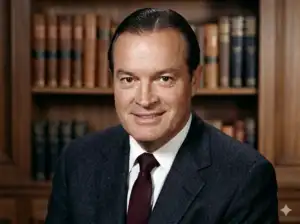
Bob Hope performed well into his 90s. His final USO tour was in 1990, when he was 87. Even in old age, he maintained his stage presence, sharp timing, and public relevance.
His quote about the bathroom dance takes on new meaning when viewed through the lens of aging. As you get older, you’re not just waiting for a turn in the shower—you’re waiting for recognition, for relevance, for connection.
But Hope never stopped moving. He adapted. He embraced television, film, and political satire. He performed for eight U.S. presidents. He stayed culturally present.
How aging affects our “dance”: - In youth, the dance is physical: literal movement, competition, energy. - In age, the dance becomes mental: staying quick, staying visible, staying engaged.
Hope’s ability to keep dancing—figuratively and literally—was rooted in discipline and a refusal to be sidelined. He didn’t just age; he evolved.
Practical takeaway: Don’t wait for permission to stay relevant. Create your own stage. Whether it’s picking up a new hobby, mentoring younger people, or simply staying socially active, movement—physical and mental—is resistance to decline.
Politics, Satire, and the Comedian’s Role
Hope wasn’t just a family man—he was a political fixture. His monologues at presidential inaugurations and award shows often skewered leaders with a wink. He roasted everyone from JFK to Nixon, always walking the fine line between patriotism and critique.
His famous quote about the bathroom reflects a larger worldview: life is chaotic, shared, and absurd. And the best way to handle it? With timing, grace, and a punchline.
In today’s polarized climate, where political discourse often devolves into shouting matches, Hope’s approach feels almost revolutionary. He disagreed without dehumanizing. He mocked power without inciting rage.
Why this matters for modern politics: Humor creates common ground. When Hope joked about bureaucracy or military life, soldiers and generals alike laughed. The shared experience—like waiting for a bathroom—became a unifying force.
Today, we could use more comedians like Hope—less focused on viral outrage, more on shared human folly.
Limitation to note: Hope’s politics were often conservative in tone, and his views on race and gender haven’t aged perfectly. But his method—using humor to unite, not divide—remains valuable.
The Art of Waiting: Patience as a Life Skill
At the heart of the quote is waiting. Not passive waiting—but active, strategic patience.
Hope didn’t just stand there annoyed. He danced. He made the delay productive, even entertaining.
This is a masterclass in mindset. Most people see waiting as wasted time. But in relationships, careers, and personal growth, waiting is inevitable—and often necessary.
Examples of productive waiting: - Waiting for the right partner instead of settling - Waiting to speak in a conversation to choose better words - Waiting to launch a project until it’s truly ready
The dance isn’t filler. It’s preparation.
Workflow tip: When you feel impatient, ask: What can I do while I wait? Can you learn? Refine? Observe? Connect? Hope’s answer was to stay light, stay ready, and keep moving—even if you’re not going anywhere yet.
Why This Quote Still Resonates Today
In an age of instant gratification—where replies are expected in minutes, content scrolls endlessly, and attention spans shrink—Hope’s bathroom line feels oddly radical.
It reminds us that life isn’t streamlined. It’s crowded. It’s awkward. It’s shared.
And yet, we can find rhythm in the chaos.
Modern parallels: - Apartment living: Waiting for the elevator, the laundry machine, the Wi-Fi to stabilize - Remote work: Waiting for Zoom meetings to start, for feedback, for recognition - Dating apps: Swiping endlessly, dancing in place while waiting for a match
The context has changed, but the core truth hasn’t: shared spaces require shared patience. And humor makes it bearable.
Hope’s legacy isn’t just in his films or USO tours. It’s in the small wisdom he packaged in jokes—wisdom that still applies when your partner takes too long in the shower or your boss delays a decision.
Applying Bob Hope’s Wisdom Today
You don’t need six brothers to benefit from this mindset. You just need to recognize that most of life happens in the in-between moments.
- Actionable steps:
- Reframe delays as opportunities – Use waiting time to plan, reflect, or recharge.
- Use humor strategically – Lighten tension, but don’t avoid hard conversations.
- Practice emotional rhythm – Learn when to speak, when to listen, when to step back.
- Stay culturally agile – Like Hope, adapt your skills and presence as times change.
- Value shared experience – Whether in family, work, or politics, focus on common ground.
Bob Hope didn’t just survive a chaotic childhood—he weaponized it. He turned bathroom lines into material, sibling rivalry into timing, and waiting into wisdom.
That’s not just comedy. That’s life strategy.
Final Thought: Keep Dancing
Bob Hope’s quote isn’t just a throwaway line for a motivational poster. It’s a philosophy. Life will crowd you. People will block your path. You’ll wait—often longer than you’d like.
But while you’re waiting, you can stand there fuming… or you can dance.
Let Hope’s humor remind you: grace under pressure isn’t about never being annoyed. It’s about finding your rhythm, even when the floor is packed.
So next time you’re stuck—waiting for love, for success, for your turn—don’t just wait. Dance.
FAQ
What did Bob Hope mean by “I learned to dance waiting for the bathroom”? He used humor to describe growing up in a crowded household, where patience, timing, and adaptability were essential. The “dance” symbolizes navigating shared, chaotic spaces with grace.
How many brothers did Bob Hope have? Bob Hope had five full brothers and one half-brother, making six brothers in total. They shared a close, competitive upbringing in Cleveland.
Did Bob Hope have a good relationship with his family? Yes, Hope remained close to his siblings throughout his life. He often credited his family experiences as the foundation of his comedic timing and work ethic.
How did Bob Hope use humor in relationships? He used jokes to deflect tension and maintain control, but this sometimes created emotional distance, especially in his marriage. His life shows both the power and limits of humor in intimacy.
What can we learn from Bob Hope about aging? He demonstrated that staying active, relevant, and mentally sharp is possible at any age—through continuous engagement, humor, and a refusal to retire from life.
How was Bob Hope involved in politics? He performed for U.S. troops and presidents for decades, using satire to comment on politics. His jokes were bipartisan, focusing on universal absurdities rather than partisan attacks.
Is Bob Hope’s humor still relevant today? Yes—his blend of wit, timing, and observational comedy about everyday struggles remains relatable, especially in an era of overcrowded lives and digital impatience.
FAQ
What should you look for in Bob Hope’s Life Lessons Through Laughter and Family? Focus on relevance, practical value, and how well the solution matches real user intent.
Is Bob Hope’s Life Lessons Through Laughter and Family suitable for beginners? That depends on the workflow, but a clear step-by-step approach usually makes it easier to start.
How do you compare options around Bob Hope’s Life Lessons Through Laughter and Family? Compare features, trust signals, limitations, pricing, and ease of implementation.
What mistakes should you avoid? Avoid generic choices, weak validation, and decisions based only on marketing claims.
What is the next best step? Shortlist the most relevant options, validate them quickly, and refine from real-world results.