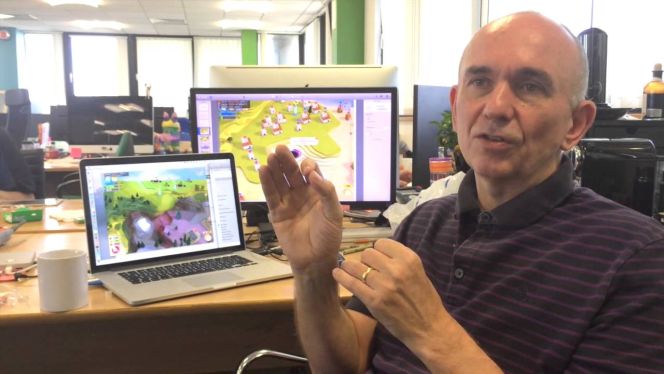
In the world of game development, few names carry the weight—and the warning—of Peter Molyneux. Once hailed as a visionary behind genre-defining titles like Populous, Black & White, and Fable, Molyneux’s later career became a cautionary tale of ambition unchecked by execution. His post-Lionhead projects, particularly Godus, promised revolutionary gameplay and divine-scale simulation. Instead, they delivered broken code, unmet stretch goals, and disappointed backers. Behind every failed Kickstarter or underperforming release are real people—investors, early adopters, developers—who bet on a dream and lost.
This is the story of the players who lost big on Peter Molyneux’s failed legacy—not just emotionally, but financially.
The Godus Debacle: When Hype Outpaced Reality
Godus launched on Kickstarter in 2012 with a $700,000 goal. It soared past $1 million in pledges, fueled by Molyneux’s reputation and grand promises: a god game that evolved over time, persistent world changes, multiplayer conflict, and even physical rewards like buried USB drives in the UK countryside. Backers weren’t just buying a game—they were investing in a revolution.
The reality? Godus launched in early access in 2013 as a stripped-down, isometric survival-crafting hybrid. It lacked nearly every major feature promised. No multiplayer. No world persistence. No evolution. For over a year, updates were infrequent and underwhelming. By 2015, the community had fractured. By 2017, the game was functionally abandoned.
But the damage wasn’t just to Molyneux’s reputation—it was financial.
The Backers Who Paid for Promises
Thousands of individuals pledged anywhere from $20 to $500. For many, it was a leap of faith in a creator they admired. Some even paid extra for "Founder" or "Alpha God" tiers—special in-game titles, exclusive developer access, and early builds.
What they got was a buggy, incomplete product that never justified its price. Worse, 22 BackerKit surveys went unanswered. Physical rewards—like the infamous “Golden God” USB drive buried in England—were never delivered. One backer, forum moderator and early supporter Marcus East, publicly resigned in frustration, calling the lack of communication “unacceptable.”
These weren’t faceless consumers. They were community leaders, modders, aspiring developers—people who believed in co-creation. They lost money, yes, but also trust in the crowdfunding model itself.
Investors Who Bet on Molyneux’s Name After leaving Lionhead Studios in 2012, Molyneux founded 22cans, a small indie studio backed by private investors. These weren’t Kickstarter pledges—they were institutional bets on Molyneux’s ability to deliver.
One investor, who wishes to remain anonymous but spoke with games industry outlets, confirmed that their firm poured “six figures” into 22cans, expecting Godus to be a scalable, monetizable title. The return? Minimal. The game sold poorly after leaving early access. No major publisher picked it up. No sequels were greenlit.
The lesson? Legacy doesn’t guarantee ROI. Molyneux’s name opened doors, but it couldn’t ship a product. Investors learned the hard way that charisma and past success don’t compensate for missed deadlines and shifting scope.
Developers Who Sacrificed Careers
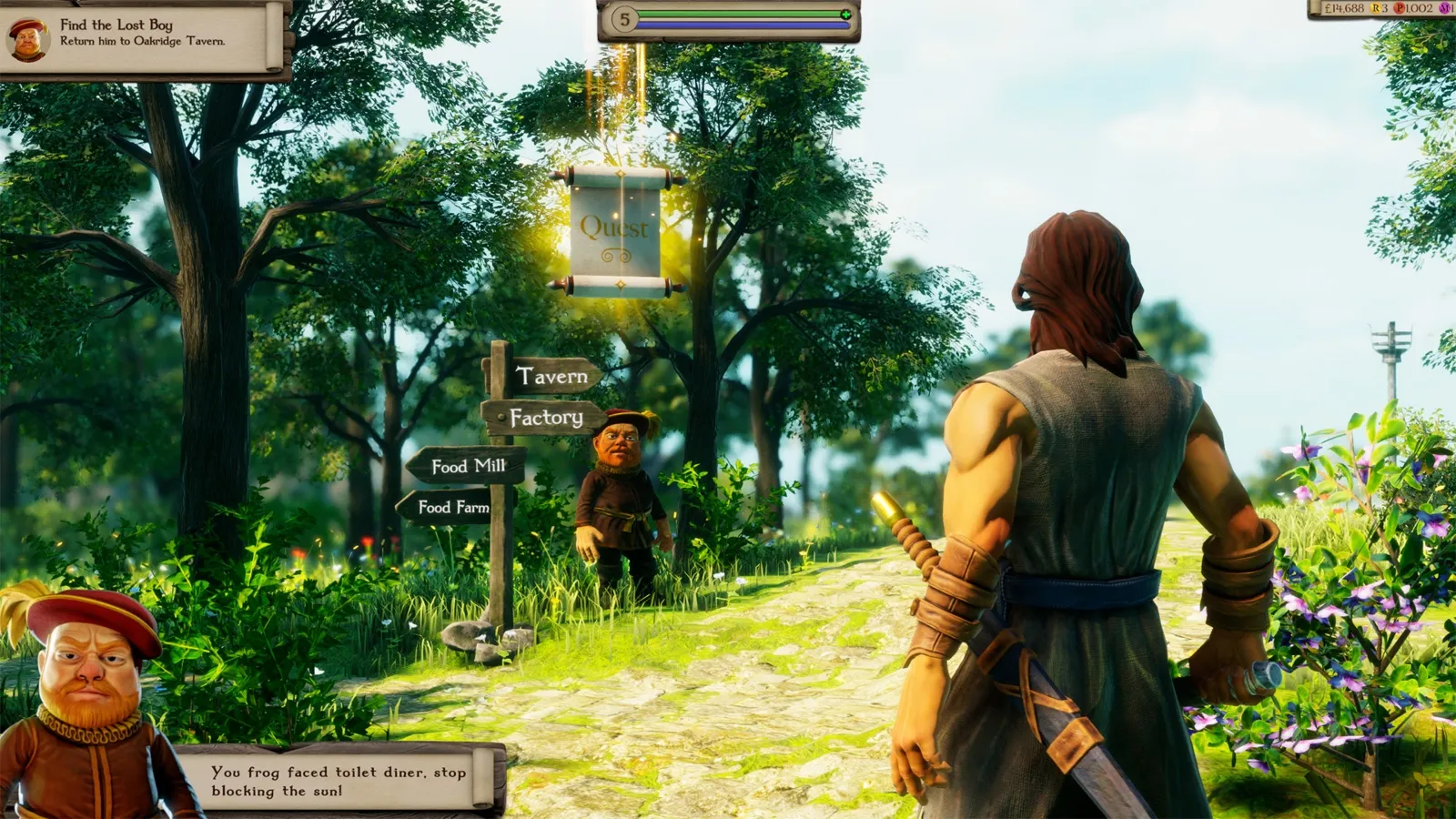
It’s easy to focus on money, but some of the biggest losses weren’t financial—they were professional.
Multiple developers joined 22cans during the Godus campaign, leaving stable jobs at major studios to work with a gaming legend. They believed in the vision. They worked long hours for below-market pay, expecting to ship something groundbreaking.
Instead, they were trapped in a cycle of broken promises. Scope crept. Deadlines slipped. The original design document was abandoned mid-development. Morale collapsed. By 2015, half the team had left.
One former 22cans lead designer, speaking anonymously to Eurogamer, said: “We were told we were making the next Populous. What we shipped was a mobile reskin with a premium price tag. I left with a broken portfolio and a gap in my resume no one wanted to explain.”
For junior developers, the stakes were even higher. Some had their first major shipped title associated with a critically panned, commercially failed product. In a competitive industry, that can stall careers.
The Mobile Gamble That Never Paid Off
After Godus stalled on PC, 22cans pivoted to mobile with Godus Wars—a real-time strategy spinoff. Launched in 2017, it was positioned as the true evolution of the Godus universe. But the game launched with pay-to-win mechanics, thin content, and no connection to the original Kickstarter promises.
The backlash was immediate. Backers felt betrayed. The mobile audience ignored it. Godus Wars was pulled from app stores within two years.
Here, the losses expanded beyond early supporters. Mobile investors—many of whom had signed on after Godus showed strong early access retention—lost additional capital. Ad spend exceeded $200,000. UA (user acquisition) campaigns flopped. The game peaked at 10,000 downloads.
For a studio banking on a comeback, it was a death blow.
Why Molyneux’s Vision Failed to Convert
It wasn’t just poor execution. The root cause of these financial losses lies in a recurring pattern: Molyneux’s tendency to over-promise.
At Bullfrog and Lionhead, he was reined in by publishers and producers. At 22cans, he had full creative control—and no accountability. He spoke in interviews about “changing the way we play games forever,” while internal teams struggled to build basic pathfinding.
This dissonance created a feedback loop:
- Overhyped promises → High funding and attention
- Inability to deliver → Delayed or stripped-down releases
- Backlash → Loss of trust, refunds, community collapse
- Pivot attempts → Further investment losses
It’s a cycle seen in other visionary failures—No Man’s Sky (initially), Star Citizen (ongoingly)—but Molyneux’s case is unique because it followed decades of proven success. That made the fall sharper.
The Human Cost Behind the Headlines
Media coverage often reduces these failures to jokes: “Molyneux promises the sun, delivers a flashlight.” But behind the memes are real people.
- A teacher in Canada sold his vintage game collection to fund a $100 backer tier, hoping to support innovation. He never got his reward.
- A German coder quit his job to freelance for 22cans, only to go unpaid for three months when funding dried up.
- A PR manager built an entire agency niche around crowdfunding indie games—until Godus soured client trust.
These stories aren’t outliers. They’re symptoms of a system that rewards hype over honesty.
Molyneux’s Redemption Attempt: Legacy or Last Gasp?
In 2023, 22cans launched The Moor, a narrative-driven walking simulator. It received modest praise but minimal attention. No Kickstarter. No grand vision. No promises.
It felt like a retreat.
Has Molyneux learned? Perhaps. But the damage is done. The players who lost big—financially, professionally, emotionally—are still dealing with the fallout. Some have left the industry. Others now vet crowdfunding campaigns with near-skepticism.
And while The Moor may mark a quieter chapter, it doesn’t erase the ledger of broken trust.
Lessons for the Next Generation of Gamers and Investors
If there’s a takeaway from Molyneux’s fallen legacy, it’s this: due diligence beats devotion.
- Check the team’s track record post-hype. Past success doesn’t prevent future failure.
- Scrutinize stretch goals. If they sound like sci-fi, they probably won’t ship.
- Demand transparency. Regular dev logs, public roadmaps, and open communication are non-negotiable.
- Assume delays. Triple the estimated delivery time. Then double it.
- Diversify support. Don’t put your savings—or career—into one visionary’s dream.
Crowdfunding revolutionized indie development. But it also created fertile ground for overpromising. Molyneux’s case is a textbook example of what happens when ambition isn’t anchored in accountability.
Closing: Trust Is Earned—Not Inherited
Peter Molyneux’s legacy is no longer just about Fable or Populous. It’s also about the players who lost money, time, and faith on promises that never materialized. They weren’t just customers. They were believers.
And in the end, belief without delivery is just debt.
If you’re backing a game, investing in a studio, or joining a startup, remember: charisma doesn’t ship code. Vision without execution is vaporware. And the cost of broken promises isn’t just measured in dollars—it’s counted in careers derailed, savings lost, and trust eroded.
Do your research. Protect your investment. And never let a legend write your financial future.
FAQ
Who lost money on Peter Molyneux’s projects? Backers of Godus on Kickstarter, private investors in 22cans, and developers who joined the studio expecting shipped titles lost money or income.
How much did Godus raise on Kickstarter? Godus raised over $1 million from more than 16,000 backers in 2012.
Did Peter Molyneux refund Godus backers? No. Despite unmet promises and undelivered rewards, no widespread refunds were issued.
Why did Godus fail? It failed due to overpromising, poor project management, shifting design goals, and lack of transparency.
Is 22cans still active? Yes, but at a much smaller scale. They released The Moor in 2023, a departure from their earlier ambitions.
Did any legal action result from Godus? No formal lawsuits succeeded, though the UK Advertising Standards Authority received complaints about misleading claims.
Can crowdfunding be trusted after cases like Godus? It can, but backers must research teams, demand updates, and treat pledges as donations—not pre-orders.
FAQ
What should you look for in The Players Burned by Peter Molyneux’s Broken Promises? Focus on relevance, practical value, and how well the solution matches real user intent.
Is The Players Burned by Peter Molyneux’s Broken Promises suitable for beginners? That depends on the workflow, but a clear step-by-step approach usually makes it easier to start.
How do you compare options around The Players Burned by Peter Molyneux’s Broken Promises? Compare features, trust signals, limitations, pricing, and ease of implementation.
What mistakes should you avoid? Avoid generic choices, weak validation, and decisions based only on marketing claims.
What is the next best step? Shortlist the most relevant options, validate them quickly, and refine from real-world results.